STOP Marketing Your Medical Practice. Do THIS Instead

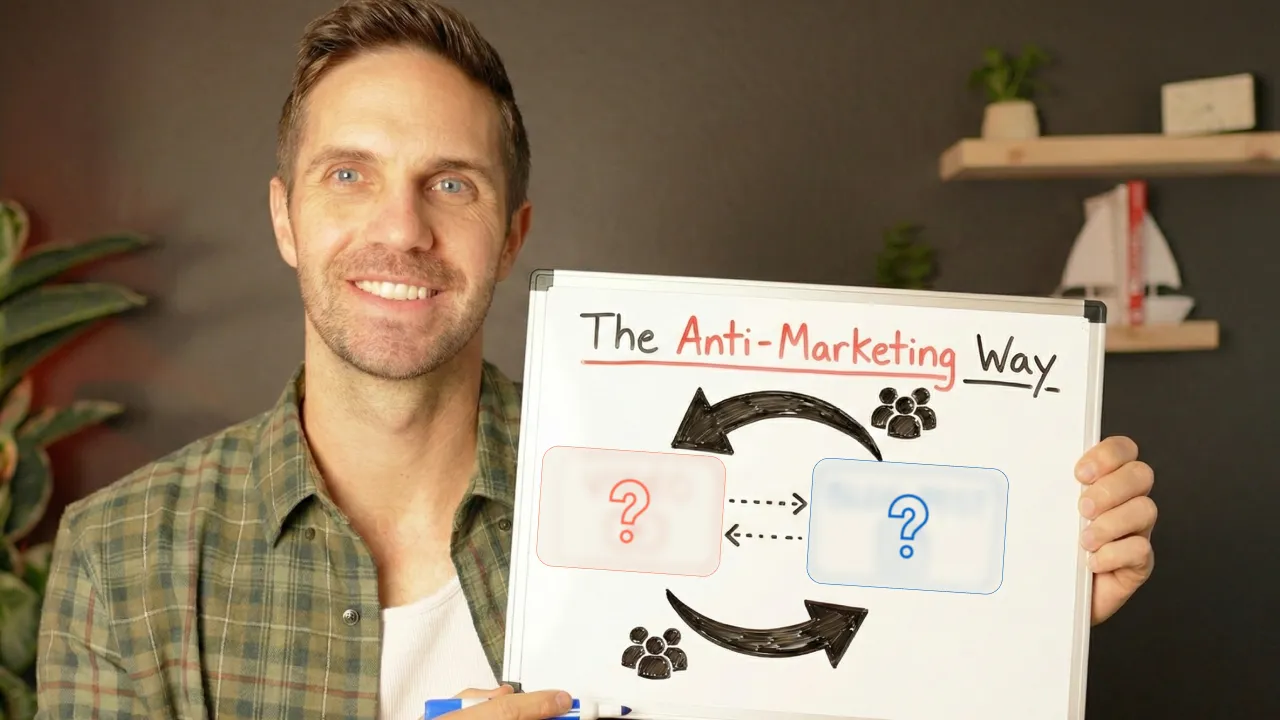
One of the most challenging aspects of running your own practice is attracting patients. It’s the one thing that can keep you from living your dream and doing your own thing full-time.
And so naturally, if you struggle with attracting patients, you’re going to think you need to be a better marketer, learn SEO or, god forbid, post more on social media.
You might even think you need to hire some agency and spend thousands of dollars every month for them to do all this for you.
But what if marketing isn’t the way?
And what if there are doctors right now who understand that there’s an anti-marketing approach that truly connects with their audience and attracts more patients?
In this post. I’m going to show you:
1.) Who some of those doctors are
2.) The simple four-step system they’re using
So you can see how medical practice marketing becomes unnecessary when you simply focus on health education.
Hi, I'm Ryan
Before we dive in, my name is Ryan.
I’m a health education expert myself, but I’ve also seen the marketing world from the inside. I’ve worked in sales and I’ve done all there is to do in terms of SEO.
So I have this unique perspective that has allowed me to understand and believe that, often times ,we make marketing too complicated for no reason. We overthink marketing so much of the time and focus on the trends, but when it comes to your medical practice, it’s not about marketing.
It’s about education, instruction, helping people understand their health issues, and helping them overcome their health challenges.
Health Education Instead of Marketing
The beauty here is that you only need to focus on creating one educational YouTube video every one to two weeks.
It’s so simple, it’s crazy.
Your videos are going to leverage both YouTube and Google to find and attract patients you can help.
The Simple System
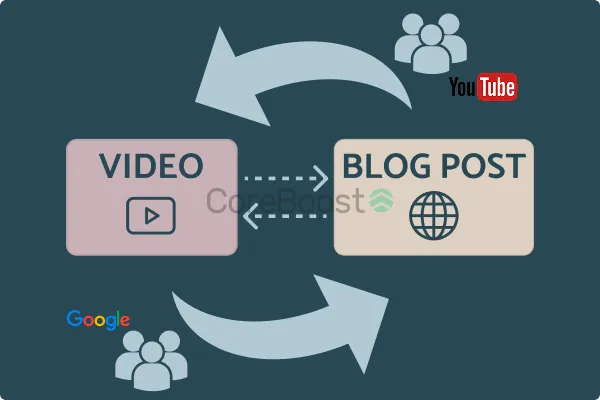
When you create your video, it generates a transcript, and that transcript then becomes your blog post.
Side note: you can also start with the blog post if you already have one that performed well or you know is a strong topic, and then repurpose it into a video.
Either way, people on YouTube can find your video and click through to your blog post, or they can land on your blog post first, watch the embedded video, explore your YouTube channel, and then look around your website.
All of these paths help them get to know you, build trust in you as a health care provider, and ultimately move closer to becoming a patient.
It’s video to blog post or blog post to video, leveraging two platforms without worrying about every other tool, trend, or bit of noise out there.
And the key point is that you're simply focusing on educating, informing, and instructing your potential patients in each video.
No marketing tactics. No technical crap. Just valuable information from you to them.
Case Study #1: Dr. Kara Wada
The first case study is Dr. Kara Wada. She’s an immune system and inflammation expert who shows up consistently for her audience and speaks directly to the specific challenges they’re dealing with. Her content is focused, clear, and created for people who are actively searching for answers about their health.
Looking at her YouTube channel, she has 10.5k subscribers and reliably gets at least 500 views every time she posts. Many of her videos cross 1,000 views, and some reach 4,000 or more. She shows up every single week and delivers education that’s relevant to her core audience.
Because she does this consistently, she’s built a "traffic engine" that attracts patients, earns trust, and strengthens her practice.
Her blog posts follow the same system we’ve been talking about. She simply turns each YouTube video into a written post and embeds the video right at the top.
Looks look at our next example.
Case Study #2: Joe Leech
The second example is Joe Leech, a gut health and FODMAP dietitian who creates clear, straightforward content for people struggling to make sense of conflicting nutrition advice. His approach is simple: show up regularly, focus on a specific problem his audience is dealing with, and walk them through it in a way that feels approachable.
Joe is thriving on YouTube with 51,000 subscribers. He posts every week or two and centers his channel around gut health and FODMAP education. Just like Dr. Cara Wada, he follows the same system by turning those videos into blog posts. One example is his post on low FODMAP foods to eat for IBS, where the video is embedded at the top and the transcript is repurposed into a clean, helpful article.
This brings us to our final case study.
Case Study #3: Dr. Doug Lucas
The final example is Dr. Doug Lucas, an orthopedic surgeon and osteoporosis specialist who has built a strong presence by consistently educating his audience on bone health. He regularly breaks down new research, shares updates, and points viewers back to earlier videos so they can follow the progression of what he’s teaching.
On YouTube, he has 123,000 subscribers and often posts multiple times per week. He knows that creating educational videos is one of the highest-leverage things he can do because it allows him to showcase his passion and connect with his audience through both video and audio. And just like the others, he understands the importance of Google, so he turns every video into a blog post and embeds the video right at the top.
From here, let's revisit how this all comes together in a simple 4-step system.
The Simple Four-Step System
To break this down into a simple 4-step system:
- You make your video and post it on YouTube.
- The transcript that’s generated becomes your blog post draft.
- You publish the blog post on your website with the video embedded.
- And to take it one step further, you turn that into a Google Business Profile post.
That’s the four-step system.
It’s the anti-marketing way to be a better health educator online, not a marketer, and not someone spending money on an agency that keeps you reliant on them and never shows you how to do this yourself.
It’s the way to break free from relying on someone else or feeling stuck when it comes to attracting patients.
Getting Started - FREE Download
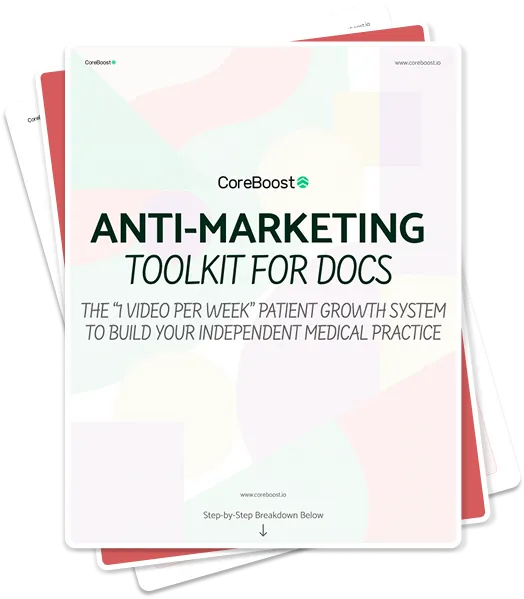
If you want more help with this, the Anti-Marketing Toolkit for Docs is a PDF I created. It’s a free download you can get here.
It goes into more detail about carrying out these four steps, and it also helps you determine your clinical clarity so you know the focus of your practice and your YouTube channel. It walks you through how to come up with video topic ideas and even outlines a $100 setup for creating YouTube videos, including the camera, microphone, light—everything you need to create professional-looking videos for less than $100.
I hope you download this free PDF because it will help you jumpstart this process and start doing what you need to do to attract patients online. If you like this, please hit subscribe, stay tuned for future videos, and I’ll see you there. And as you continue growing, remember that focusing on education makes medical practice marketing far simpler than it seems.
Freebie
Anti-Marketing Toolkit
About the Author
I’m Ryan, a certified health education strategist who’s spent 5+ years working inside the marketing world and realizing how overcomplicated it’s become for medical professionals. My focus is helping clinicians attract patients by teaching, not marketing—using simple, sustainable content systems that build trust and make a real impact. When I’m not creating resources for doctors, you’ll find me sharing practical ways to educate online without the noise, pressure, or burnout.

Related Posts
How This Doctor Doubled His Practice's Revenue in One Year
Building a Brand Is How You Win as an Independent Doctor
.webp)